Menu Close

Building a Strong Digital Reputation as an Eye Doctor in Houston TX

Ophthalmologist showing eye exam results to senior patient on computer Ophthalmologist is showing the results of an eye exam to a smiling senior female patient, pointing at the computer screen in his modern clinic. Consultation concept eye doctor stock pictures, royalty-free photos & images

In today’s highly digital world, building and maintaining a strong reputation is essential for ophthalmology practices seeking to thrive. As patients increasingly rely on online information to choose healthcare providers, implementing effective strategies to establish credibility and trust is no longer optional. Below are actionable methods to enhance your ophthalmology reputation in the digital era.

1. Develop a Robust Online Presence

  • Website Excellence: Your website should be user-friendly, mobile-responsive, and visually appealing. Include clear information about services, procedures offered, credentials of your specialists, and patient testimonials.
  • Search Engine Optimization (SEO): Optimize your website with relevant keywords like “vision care,” “ophthalmologist near me,” or “LASIK surgery” to improve visibility on search engines.

2. Prioritize High-Quality Patient Experiences

  • Foster clear communication by explaining procedures in detail.
  • Ensure minimal wait times through efficient scheduling systems.
  • Create a welcoming atmosphere at your clinic to make patients feel comfortable.

Satisfied patients are more likely to recommend your practice both online and offline.

3. Establish Authority Through Educational Content

  • Regularly update blogs or articles on topics like common eye conditions (e.g., cataracts or glaucoma) or treatment options.
  • Use videos to demonstrate complex procedures in an accessible way.
  • Offer downloadable resources such as guides on maintaining eye health.

Sharing valuable insights demonstrates commitment to community education while driving traffic to your platforms.

4. Harness Social Media Effectively

  • Share updates about new technology or treatments available at your practice.
  • Post patient success stories (with consent) to showcase real-world impact.
  • Engage authentically by responding promptly to messages or comments.

Regular engagement fosters trust while keeping audiences informed about your expertise.

5. Monitor Online Reviews Proactively

Positive Reviews Negative Reviews Neutral Reviews
Signal quality service Opportunity for improvement Provide balanced feedback
Enhance credibility Require professional responses Help identify areas needing attention

Encourage satisfied patients to leave positive reviews but approach criticisms constructively by addressing concerns directly without becoming defensive.

6. Partner with Professional Organizations

  • Join local medical associations or national societies like the American Academy of Ophthalmology (AAO).
  • Attend conferences where you can share knowledge while networking among peers who might advocate positively later downline .

Such affiliations not only expand networks but also solidify credentials further publicly reflecting .

How Houston Eye Care Specialists Establish Credibility and Trust in Their Services

Establishing credibility and trust is a cornerstone of any successful ophthalmology practice. Patients need assurance that their vision is in capable hands. With the increasing availability of online resources, potential patients often conduct extensive research before choosing an eye care provider. Below are some essential aspects to focus on when building trust and credibility within the field of ophthalmology.

Why Credibility Matters in Eye Care

  • Increased Patient Retention: Patients are more likely to return to providers they feel confident about.
  • Stronger Recommendations: Satisfied patients recommend their trusted eye care specialists to friends and family.
  • Mitigation Against Negative Feedback: A credible reputation can help offset occasional negative reviews or complaints.

Key Strategies for Establishing Trust

  1. Provide clear explanations about diagnoses and treatments.
  2. Avoid jargon; ensure patients understand their condition and care options.
  3. Set realistic expectations for outcomes.
  4. Highlight the credentials, certifications, or advanced training of your staff.
  5. Promote memberships in professional organizations (e.g., American Academy of Ophthalmology).
  6. Display awards or recognitions prominently in both your office and online platforms.
  7. Offer accessible resources such as brochures, webinars, or blogs on eye health topics.
  8. Develop content tailored for conditions frequently treated at your practice (e.g., cataracts, glaucoma).
  9. Consistent Branding Across Platforms:
    Ensure that your website, social media profiles, and patient reviews reflect professionalism and reliability.

Building an Emotional Connection

  • Show empathy during consultations by actively listening to concerns.
  • Personalize each patient encounter rather than adopting a one-size-fits-all approach.
  • Follow up post-procedure via phone calls or emails to reinforce that you care about long-term results.

Table: Actions That Build Trust vs Actions That Undermine It

Actions That Build Trust Actions That Undermine Trust
Transparent pricing Hidden fees
Offering second opinion opportunities Dismissing patient concerns
Following up with patients Delayed responses to inquiries
Sharing verified testimonials Promoting unverifiable claims
Maintaining clean facilities Neglecting hygiene protocols

The Role of Online Presence

  • Maintain an updated website with complete information about services offered.
  • Encourage satisfied patients to leave detailed reviews on platforms like Google or Healthgrades.
  • Monitor online feedback consistently—respond promptly while maintaining professionalism.

By prioritizing trust-building efforts within all aspects of operations—from interpersonal communication with patients during appointments to managing your digital footprint—a solid foundation for long-term success is created within the ophthalmology landscape.

Key Strategies for Managing Online Reputation at Houston Eye Clinic

In today’s digital-first world, managing online reputation is a critical aspect of running a successful ophthalmology practice. Patients often research healthcare providers extensively before making decisions, and an ophthalmologist’s online presence can greatly influence trust, patient volume, and overall practice growth. Below are the core components that contribute to effectively managing an ophthalmology practice’s online reputation.

1. Building and Maintaining a Professional Website

A well-designed website serves as the foundation of your digital presence.

Keep the following in mind when creating or updating your website:

User-Friendly Design: Ensure navigation is simple and intuitive to improve user experience.

Mobile Optimization: Make sure the site adapts seamlessly on mobile devices, as many patients search on their phones.

Key Information: Include essential details such as services offered, contact information, office hours, and patient testimonials.

A professional website not only attracts potential patients but also establishes credibility.

2. Claiming and Optimizing Online Listings

Accurate business information across platforms like Google My Business (GMB), Yelp, and Healthgrades is crucial. This ensures patients can easily find your practice and its details.

Tips for optimizing these listings:

– Ensure consistency in name, address, phone number (NAP).

– Add high-quality images of your office.

– Use relevant keywords related to eye care services in descriptions to improve search visibility.

3. Encouraging Positive Patient Reviews

Patient reviews play an influential role in shaping public perception of your practice.

To encourage more positive feedback:

– Request reviews politely after appointments.

– Provide links or instructions for leaving reviews on Google or other platforms.

– Address any negative experiences promptly to show you value patient concerns.

4. Content Marketing and Educational Resources

Providing valuable content positions, you as a trusted authority in eye care.

Ideas include:

– Publishing blogs about common eye conditions like glaucoma or cataracts.

– Sharing tips for maintaining healthy vision through newsletters.

– Offering downloadable guides or infographics about post-surgery care.

This approach not only engages patients but also enhances trustworthiness.

5. Active Social Media Engagement

Social media platforms are powerful tools for connecting with current and prospective patients.

Strategize by:

– Posting regularly about topics such as eye health tips or updates about new technologies being used in the clinic.

– Responding quickly to comments or queries from followers.

– Using visuals (e.g., images of equipment) to make posts more engaging.

By fostering communication on social media channels, you humanize your practice while boosting its reputation.

Platform Key Benefits
Facebook Broad audience reach; great for sharing updates
Instagram Visual storytelling; highlight treatments
Twitter Quick engagement; share industry news

6. Reputation Monitoring Tools

Use tools that help monitor mentions of your ophthalmology practice online:

Google Alerts: Track when someone mentions your clinic name or services.

Reputation Management Software: Platforms like BirdEye or Reputation.com provide insights into patient sentiment across multiple sites.

These tools help identify areas needing improvement while keeping an eye on overall brand perception.

Summary Table: Core Components

Component Purpose Example Action
Professional Website Establish credibility Add testimonials
Optimized Online Listings Improve visibility Claim GMB profile
Patient Reviews Build trust Request feedback post-treatment
Content Marketing Educate patients Publish blog posts
Social Media Engagement Humanize the practice Share tips & respond promptly
Reputation Tools Track & respond to feedback Use monitoring software

Managing an online reputation requires consistent effort but offers immense value by attracting new patients while reassuring existing ones of quality care standards—a crucial factor in growing any ophthalmology practice in the digital era.

Effective Ways to Engage Patients and Build Confidence in Eye Care Through Social Media

In today’s digital era, social media has become an indispensable tool for engaging patients and building confidence in health services, including eye care. With the right strategies, ophthalmology practices can leverage their social media platforms to foster trust, educate their audience, and strengthen patient relationships. Below are effective ways to achieve this.

1. Educate Through Valuable Content

asian doctor explain with computer closeup asian young woman patient visit male ophthalmologist - the doctor use eye model and computer to explain vision care pathology as well as laser treatment details eye doctor stock pictures, royalty-free photos & images

Providing educational content that resonates with patients is one of the most effective ways to engage your audience.

  • Share posts that explain common eye conditions like myopia, cataracts, or glaucoma in simple terms.
  • Create infographics showing tips for maintaining good eye health (e.g., proper screen time habits or the importance of regular eye exams).
  • Post videos or animations demonstrating how specific procedures like LASIK or cataract surgery are performed.
  • Offer live Q&A sessions with ophthalmologists to address patient concerns directly.

Educational content establishes your practice as a trusted authority in eye care while empowering patients with knowledge.

2. Showcase Patient Success Stories

Social proof is a powerful way to build confidence. Highlighting real patient experiences can inspire trust and demonstrate the quality of your services.

  • Post before-and-after photos (with patient consent) for treatments such as eyelid surgery or vision correction procedures.
  • Share video testimonials where patients describe their positive experiences with your practice.
  • Use captions that emphasize compassion, expertise, and outcomes.

Authentic stories are often relatable and encourage potential patients to reach out for similar services.

3. Emphasize Professionalism and Transparency

Maintaining a professional tone on social media is critical for building credibility. Offer insights into your practice’s operations while staying approachable.

Tips include:

– Posting behind-the-scenes glimpses into your clinic (e.g., introducing staff members or showcasing state-of-the-art equipment).

– Sharing updates about certifications, awards, or accreditations earned by your team.

– Being transparent about what patients can expect during appointments or procedures.

Such efforts humanize your practice while reinforcing its commitment to high standards of care.

4. Engage Actively With Your Audience

Social media engagement fosters a sense of community between you and your followers. Interacting thoughtfully builds trust over time.

Best practices:

– Respond promptly to comments on posts or direct messages from followers.

– Use polls or questions in Instagram Stories to encourage interaction (e.g., “How often do you wear sunglasses outdoors?”).

– Celebrate events like National Eye Health Week by inviting followers to participate in related activities online.

Consistent interaction demonstrates attentiveness and shows that you value patient input.

5. Promote Preventive Care Campaigns

Raise awareness about critical aspects of preventive eye care through targeted campaigns on social platforms.

Examples include: | Campaign Focus | Key Message | Suggested Format | |————————|———————————————–|—————————–| | UV Protection | “Protect Your Vision: Don’t Forget Sunglasses”| Infographic / Short Video | | Screen Time Awareness | “Reduce Digital Strain With These Simple Tips”| Carousel Posts | | Regular Eye Exams | “When Was Your Last Check-Up?” | Poll + Call-to-Action |

Preventive care campaigns not only inform but also encourage patients to prioritize their overall eye health by visiting the clinic regularly.

6. Maintain Accessibility Across Platforms

Ensure that accessing information about your services is convenient for potential patients across all major platforms such as Facebook, Instagram, Twitter (X), and LinkedIn.

Key steps include:

– Keeping contact details updated on all profiles.

– Adding direct links for booking appointments via bios or post captions.

Easy access fosters confidence that help is just one click away when needed most.

By strategically using social media, ophthalmology practices can nurture stronger connections with their audiences while positioning themselves as trusted providers of comprehensive eye care solutions.

Leveraging Patient Feedback to Enhance the Quality of Eye Care Services

Patient feedback is a valuable resource for any ophthalmology practice aiming to provide exemplary care. By actively collecting, analyzing, and utilizing this feedback, practices can identify areas for improvement, enhance patient satisfaction, and ultimately elevate the quality of their services. Below are actionable strategies to effectively leverage patient feedback.

The Importance of Patient Feedback in Eye Care

  • Identify gaps in service delivery.
  • Pinpoint specific pain points in the patient journey.
  • Foster stronger relationships with patients by demonstrating attentiveness.

Feedback also serves as an indicator for quality assurance, helping practices align their services with evolving patient expectations.

Methods for Collecting Patient Feedback

  • Post-visit surveys: Distribute surveys electronically or on paper immediately after the appointment. Include questions on wait times, staff behavior, communication clarity, and overall satisfaction.
  • Online reviews: Monitor third-party platforms like Google Reviews or Yelp to gather unfiltered opinions from patients.
  • Follow-up emails: Send personalized emails requesting insights about their experience.
  • In-office comment cards: Provide a quick and anonymous way for patients to express themselves during visits.
Method Advantages Challenges
Post-visit surveys High response rate when immediate May require frequent reminders
Online reviews Unfiltered public opinions Difficult to address every review
Follow-up emails Personalized approach builds rapport Responses may be limited
In-office cards Convenient for on-the-go feedback Paper-based processes can be messy

Analyzing and Responding to Feedback

  1. Organize Data: Use software tools or manual categorization to group comments into themes such as scheduling issues or exam thoroughness.
  2. Identify Trends: Pay attention to recurring complaints or suggestions that indicate systemic issues.
  3. Prioritize Action: Address high-priority concerns first (e.g., long wait times) while gradually working on other areas.

A professional approach when responding is essential:

– Thank patients for their input, whether positive or negative.

– Acknowledge issues raised without being defensive.

– Share steps being taken to resolve concerns where appropriate.

Turning Feedback into Improvements

  1. Train staff based on common complaints like unclear communication or perceived lack of empathy.
  2. Upgrade technology if patients mention outdated equipment as a concern.
  3. Optimize scheduling processes based on comments about delays or long waits.

Building Trust Through Transparent Communication

  • Highlight changes made based on feedback during appointments or through newsletters.
  • Use social media platforms and practice websites to showcase updates that improve the patient experience.

Final Thoughts

Patient feedback is not just a tool for identifying faults but an opportunity for growth in eye care services. By encouraging open dialogue with your patients while maintaining professionalism in addressing concerns, your ophthalmology practice can achieve higher standards of care and bolster its reputation in the community.

Navigating Negative Reviews and Upholding Professionalism as an Optometrist Houston TX

Negative reviews can be daunting for any ophthalmology practice but addressing them effectively while maintaining professionalism is crucial for building trust and credibility. The way you respond to negative feedback not only reflects your practice’s values but also impacts how future patients perceive your care. Below are strategies to manage such challenges effectively.

Understanding the Nature of Negative Reviews

Before responding to a negative review, it’s important to determine its nature:
Constructive Criticism: Feedback that highlights areas for genuine improvement, often shared in a detailed and respectful manner.
Unjustified Complaints: Comments that are vague, untrue, or inflammatory with no clear basis in fact.
Misunderstandings: Negative experiences arising from miscommunication or unmet expectations that could have been addressed during the patient’s visit.

1. Respond Promptly and Professionally

Timely responses demonstrate your willingness to engage and resolve concerns. When crafting your reply:
– Start with a polite acknowledgment of their feedback.

– Avoid being defensive or dismissive.

– Offer an invitation for further discussion offline (e.g., “We’d love the opportunity to discuss this further; please contact our office at [phone/email].”).

2. Maintain Patient Confidentiality

“Thank you for sharing your experience. We strive to provide excellent care and regret that we may not have met your expectations on this occasion.”

3. Highlight Commitment to Improvement

Use negative feedback as an opportunity to showcase your dedication to enhancing patient care by acknowledging concerns constructively:
– Mention steps already taken to address similar issues (if applicable).

– Reassure the patient of ongoing improvements in processes or communication.

4. Monitor Patterns in Feedback

Repeated complaints about specific aspects of service (e.g., long wait times) may signal systematic issues within the practice that need immediate attention: | Common Complaints | Potential Solutions |
|——————-|————————————|
| Long wait times | Implement online scheduling tools; streamline appointments. |
| Staff behavior | Conduct regular training sessions focusing on patient interaction skills. |
| Miscommunication | Provide clear written aftercare instructions or follow-up calls. |

Proactively Encourage Positive Feedback

Satisfied patients are less likely than dissatisfied ones to leave reviews unless encouraged:

– Use signage or handouts encouraging online testimonials from happy patients.

– Send automated post-appointment surveys linking directly to review platforms.

Train Your Team

Ensure all staff members understand the importance of professional communication during interactions with patients — both online and offline.

Provide Accessible Channels for Complaints

Establish internal mechanisms where patients can raise concerns directly with the practice before turning toward public forums.

Maintaining Professionalism During Disputes

Even if a review feels unjustified, never engage in arguments with patients online — this can damage credibility further:

– Stick firmly but politely to facts without assigning blame.

– If necessary, involve legal counsel when dealing with defamatory comments.

By addressing challenges like negative reviews thoughtfully while upholding professional standards, ophthalmology practices can turn potential setbacks into opportunities for growth and trust-building among their patient bases.

Long-Term Benefits of Strengthening Your Ophthalmology Practice’s Online Presence

In today’s digital-first world, a strong online presence is essential for the sustained growth and success of any ophthalmology practice. Beyond just attracting new patients, a robust presence in the digital space provides several long-term advantages that enhance the reputation, efficiency, and overall impact of your practice. Below, we discuss some key benefits.

1. Increased Patient Reach

  • Search Engine Optimization (SEO): Ensuring your website appears in search results for terms like “eye specialist near me” or “best ophthalmologist nearby.”
  • Social Media Platforms: Engaging with potential patients on platforms like Instagram and Facebook through eye health tips or live Q&A sessions.
  • Telehealth Integration: Allowing access to care even for those in remote areas.

This broader reach ensures that more people are aware of your services and can seek care when needed.

2. Establishing Industry Authority

  • Blog posts addressing common eye conditions like dry eye syndrome or cataracts.
  • Educational videos explaining surgical procedures like LASIK or glaucoma treatment.
  • Data-backed infographics about maintaining optimal eye health.

When patients see you as an expert in the field, they are more likely to trust your recommendations and choose your services over competitors.

3. Building Lasting Patient Relationships

  • Upcoming promotions or discounts.
  • New treatments or advanced technologies introduced at your clinic.
  • Regular reminders for annual checkups or follow-up appointments.

This consistency leads to stronger patient retention rates and positive word-of-mouth referrals.

4. Mitigating Negative Reviews

Strategy Benefit
Monitoring review platforms Early identification of issues needing attention
Encouraging positive feedback Balances out occasional negative reviews
Transparent communication Reassures prospective patients about professionalism

This approach ensures that even potential setbacks become opportunities for public relations enhancement.

5. Cost-Efficient Marketing

  • Pay-per-click (PPC) advertising targeting local audiences.
  • Organic traffic growth through valuable content updates on your website.
  • Targeted social media ads showcasing specialized services like pediatric ophthalmology or refractive surgeries.

This cost-effective outreach reduces dependency on outdated promotional methods while ensuring a higher return on investment (ROI).

6. Improved Operational Efficiency

Tool Function
Online booking systems Simplifies appointment scheduling for both staff & patients
Automated reminders Reduces no-show rates
Patient education resources Frees up staff time previously spent addressing repetitive queries

These tools improve both patient satisfaction and internal processes over time.

Maintaining an engaging online identity is no longer optional—it is critical for thriving amidst growing competition in healthcare services today. By committing effort toward these digital strategies early on, ophthalmology practices position themselves as leaders capable of adapting seamlessly to evolving demands within the industry while providing exceptional care consistently over decades ahead.​


Essential Tips from an Optometrist Houston TX for First-Time Contact Lens Wearers

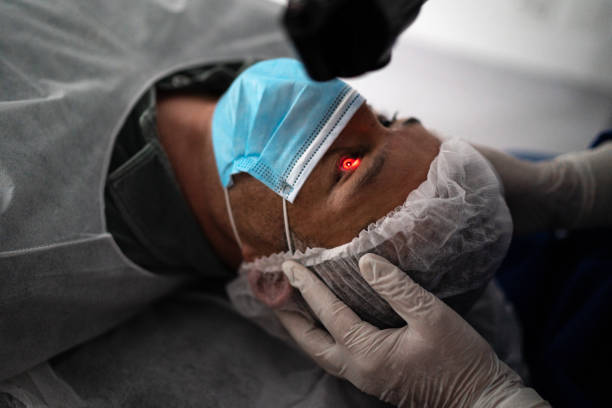
Patient on an eye surgery Patient on an eye surgery eye doctor stock pictures, royalty-free photos & images

For those new to contact lenses, the transition can feel daunting. However, with the right guidance, wearing contacts can be a seamless and comfortable experience. Below are some tips tailored for first-time wearers to ensure they get started on the right foot.

Prepare Yourself Before Wearing Contacts

  • Understand how to handle lenses: Before putting on or removing lenses for the first time, spend time learning about proper handling techniques. This includes watching tutorials provided by your eye care professional or consulting instructional guides that came with your lenses.
  • Wash and dry your hands thoroughly: Hygiene is paramount when handling contact lenses.
  • Keep nails short and clean: Long nails can accidentally tear soft contact lenses or scratch your eyes. For first-time wearers, maintaining trimmed nails is strongly recommended.
  • If it is inverted, gently flip it back to its correct shape.

Key Habits for First-Time Wearers

  1. Stick to wearing schedules: Overwearing contacts can lead to discomfort or even serious eye conditions like corneal ulcers. Follow recommendations from your optometrist regarding how many hours per day you should wear them, especially during the adjustment period.
  2. Avoid sleeping in contacts unless prescribed: Sleeping in non-approved contacts reduces oxygen flow to the eyes, increasing risks of infections.
  3. Carry backup glasses: As you adjust to wearing contacts, there may be times when removing them is necessary due to dryness or discomfort. Having glasses on hand ensures uninterrupted vision.

Overcoming Common Challenges

Many first-time users experience some initial challenges while adapting to contact lens use:
| Challenge | Solution | |———————————–|————————————————————————-| | Dryness throughout the day | Use doctor-recommended rewetting drops or artificial tears specifically made for contact lenses. | | Difficulty inserting/removing | Practice regularly in a calm environment without rushing; confidence improves over time. | | Feeling of discomfort | Ensure lenses are clean and not damaged; consult an optometrist if issues persist.

Troubleshooting Tips

  • If vision appears blurry after inserting a lens, check if it’s positioned correctly on your cornea.
  • Always inspect each lens for tears or debris before use.
  • Should redness or irritation occur after wearing contacts, remove them immediately and consult an eye care professional.

By following these foundational tips as a first-time wearer of contact lenses, you’ll minimize potential issues while maximizing comfort and confidence in this new journey toward clearer vision.

Exploring the Benefits of Contact Lenses with an Eye Doctor in Houston TX

Contact lenses have become a popular alternative to glasses for individuals seeking clearer vision and enhanced comfort. They offer distinct advantages, making them an excellent choice for many people. Below, we explore the benefits of using contact lenses, focusing on their impact on vision and overall comfort.

Improved Vision Clarity

Contact lenses rest directly on your eye, providing a wider field of view compared to glasses.

  • No Peripheral Obstructions: Unlike glasses frames, contact lenses provide an unobstructed view across all directions.
  • Consistent Focus: Contact lenses move naturally with your eyes, maintaining focus regardless of where you look.
  • Better Correction for Certain Conditions: For individuals with irregular corneas or astigmatism, specialized contact lenses like toric or gas-permeable lenses can often provide better correction than glasses.

Enhanced Comfort in Daily Life

  • Lightweight and Invisible: Modern contact lenses are made from thin, breathable materials that are lightweight and nearly unnoticeable when worn correctly.
  • Reduced Fogging Issues: Unlike glasses, contact lenses don’t fog up due to temperature changes or mask-wearing.
  • Freedom During Activities: Contacts are ideal for physical activities such as running or playing sports because they don’t shift or fall off like glasses.

Cosmetic Versatility

  • Natural Look: Contacts allow your facial features to remain prominent without being obscured by frames.
  • Colored Lenses Options: Colored contacts can enhance or alter the natural color of your eyes, offering a unique aesthetic appeal.

Flexibility with Vision Requirements

Type of Contact Lens Suitable For
Daily Disposable Lenses Convenience and hygiene
Monthly/Extended Wear Lenses Long-term use with proper care
Toric Lenses Correcting astigmatism
Multifocal/Bifocal Lenses Addressing both near and far vision

Considerations Before Wearing Contact Lenses

While there are numerous advantages to wearing contact lenses, it’s essential to consider factors such as proper hygiene practices and regular consultations with an eye care professional. Misuse can lead to discomfort or even eye infections.

  1. Wider field of vision without frame obstructions.
  2. Increased comfort during activities compared to glasses.
  3. Aesthetic versatility through natural looks and colored options.
  4. Tailored solutions for specific eye conditions.

Understanding these benefits can help you decide if contact lenses align with your lifestyle and vision needs while ensuring optimal results through proper use.

Tips from Houston Eye Care Specialists for Wearing Contact Lenses Safely and Effectively

Adopting safe practices can significantly reduce the risk of infections or complications.

Before handling your contact lenses, always wash your hands with soap and water.

  • Use a mild, fragrance-free soap.

Your optometrist will provide specific guidelines for wearing, cleaning, and replacing your lenses based on your needs. Adhering to these instructions is key to maintaining optimal eye health.

  • Schedule regular follow-up appointments to ensure proper fit and eye health.

Unless prescribed specifically for overnight use, sleeping in contact lenses can increase the risk of eye infections like keratitis or corneal ulcers.

Key reasons to avoid sleeping in contacts:
– Limited oxygen flow to the cornea during sleep.

– Increased buildup of bacteria or debris under the lens.

Routine cleaning prevents protein deposits, microorganisms, and debris from accumulating on the surface of the lens. Use only approved solutions provided by your optometrist.

Steps for effective cleaning:
1. Rinse lenses with fresh multipurpose solution (do not reuse old solution).
2. Gently rub each lens with clean fingers for about 10 seconds per side.

Note: Never use tap water or saliva as substitutes for cleaning solutions—they can introduce harmful microorganisms.

Tips for maintaining a clean lens case:

Water—whether from swimming pools, showers, or even tap water—can introduce harmful pathogens like Acanthamoeba, which may lead to severe infections.

Precautions:
– Avoid rinsing or storing lenses in any type of water.

Mistakes First-Time Wearers Should Avoid at Houston Eye Clinic

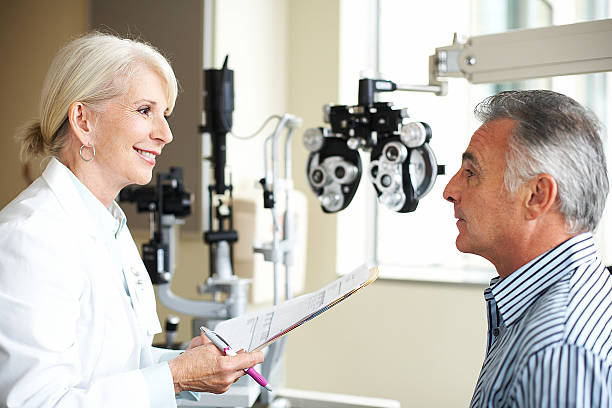
A female opthamologist listens to her patient. eye doctor stock pictures, royalty-free photos & images

Mistake Why It’s Harmful
Overwearing daily disposable lenses Can lead to dryness and irritation since disposables are not designed for extended use
Using expired solutions Reduces effectiveness against bacteria
Ignoring symptoms like redness May indicate an underlying issue such as infection or allergic reaction

Being mindful of these mistakes promotes better eye health and comfortable vision correction over time.

By following these essential tips consistently, you can enjoy all the benefits that come with wearing contact lenses while reducing risks associated with improper care practices.

Properly changing your contact lenses is crucial to maintaining eye health, preventing infections, and ensuring a comfortable wearing experience. Whether you’re a seasoned user or a first-time wearer, following the correct steps can make the process seamless and safe. Below are detailed step-by-step tips for changing your contact lenses effectively.

Prepare Your Hands and Workspace

  1. Use soap and warm water.
  2. Avoid soaps with heavy fragrances or moisturizers as they may leave residue on your hands.
  3. Work on a clean, well-lit surface.
  4. Place a clean tissue or towel on the workspace in case you accidentally drop the lens.

Removing Old Contact Lenses

  1. Begin with the same eye every time to avoid mixing up lenses (e. g. , always start with your right eye).
  2. With your other hand, use your fingertip to slide the contact lens downward onto the white part of your eye.
  3. Using your thumb and index finger, pinch the lens gently to remove it.
  4. Be cautious not to squeeze too hard as it may damage soft lenses.
  5. Inspect the Lens (If Reusable):
  6. Check for any debris, tears, or damage before storing it in its case.

Cleaning (For Reusable Lenses)

  • Avoid using tap water as it may carry harmful microorganisms.
  • Gently rub each side of the lens with clean fingertips for about 10-15 seconds while applying solution.
  • Store in fresh solution if not immediately replacing them onto your eyes.

Inserting New Contact Lenses

  1. Place the lens on the tip of your finger.
  2. Ensure it forms a perfect bowl shape without edges flaring outward. If it looks like a shallow plate, turn it inside out before inserting.
  3. Close and open your eyes slowly to help settle the lens comfortably into place.

Double-Check Placement

After inserting both lenses: – Look in different directions (up, down, left, right) to ensure proper alignment on each eye’s center. – Assess comfort—if you feel irritation or blurriness, remove and inspect for debris before reinserting.

Quick Reference Table: Do’s & Don’ts

Task Do’s Don’ts
Hand Hygiene Wash thoroughly before touching lenses Skip washing or dry hands improperly
Cleaning Solution Use prescribed solutions only Use tap water
Handling Handle one lens at a time Mix up left & right lenses
Storage Store in fresh solution Reuse old solution
Lens Condition Check Inspect for damage Wear torn/damaged lenses

By following these structured steps diligently each time you change contact lenses, you’ll promote long-term eye health while reducing potential risks like infections and discomfort. Regular communication with an optometrist can also help refine best practices tailored specifically to you.

Practical Advice for Storing Your Contact Lenses to Maintain Quality

Proper storage of contact lenses is essential not only for maintaining their quality but also for ensuring the health of your eyes. Improper storage can lead to discomfort, infections, or even damage to your lenses. Below is a detailed guide on how to store your contact lenses effectively.

The Importance of Proper Lens Storage

Contact lenses are delicate medical devices that require a clean and sterile environment.
– Protein buildup and contamination.
– Increased risk of eye infections such as keratitis.
– Premature lens wear and tear, reducing their lifespan.

To avoid these risks, follow the best practices outlined below.

Use an Approved Contact Lens Solution

Avoid using alternatives such as water or saliva to store your lenses. These substances are not sterile and may carry bacteria or harmful microorganisms that could lead to infection.

Key points when selecting a lens solution:
– Check the expiration date before use.

– Avoid DIY solutions; stick with doctor-approved brands.

– Do not reuse old solution—always replace it with fresh fluid after each wear.

Clean and Replace Your Storage Case Regularly

The contact lens case plays a vital role in keeping your lenses safe from contaminants. However, it can also become a breeding ground for bacteria if neglected.

  • Steps for maintaining your lens case:
    1. Empty the case after every use; never top off old solution.
    2.Let it air-dry face down on a clean tissue or towel in a dust-free area.
    3. Replace the case every 1–3 months, as recommended by professionals.
Activity Frequency
Rinse with fresh solution After each use
Air-dry upside down Daily
Replace case Every 1–3 months

Store Lenses in the Correct Environment

Contact lenses should be stored at room temperature and away from direct sunlight or high humidity areas like bathrooms.

Tips for optimal storage conditions:
– Keep them in a cool, dry place to prevent changes in the solution’s effectiveness.

– Do not leave cases near windows or heat sources.

– If traveling, ensure proper packing to avoid exposure to extreme temperatures.

Avoid Common Mistakes When Storing Lenses

To maintain both hygiene and quality:
Do not transfer lenses into unsterile containers—only use designated lens cases provided by trusted brands. Avoid touching the inside of the case with dirty hands, which can lead to contamination. Do not mix different types of solutions, as this may affect their sterilizing properties.

By adhering strictly to these practical storage tips, you can extend the lifespan of your contact lenses while safeguarding your eye health from preventable complications such as infections or irritation. Proper care ensures both comfort and clarity every time you wear them.


7 Important Tips for First-Time Contact Lens Wearers from an Eye Doctor in Houston TX

Doctors doing an exam or surgery Doctors doing an exam or surgery eye doctor stock pictures, royalty-free photos & images

Wearing contact lenses for the first time may seem overwhelming, but with a bit of knowledge and preparation, you can ease into this new experience. From proper hygiene practices to handling techniques, here are seven crucial things every first-time wearer should know.

1. Prioritize Hygiene

  • Wash your hands thoroughly with soap and water before handling your lenses.
  • Avoid scented or oily soaps, as residue can transfer onto the lenses.
  • Use a lint-free towel to dry your hands before touching the lenses.

2. Practice Makes Perfect

  • Sit or stand in front of a well-lit mirror when putting on or taking off your lenses.
  • Start with the same eye every time (e.g., right eye) to avoid mixing up lenses meant for each eye.
  • Use the pads of your fingers rather than nails to avoid tearing the lens.

3. Understand Lens Types

Lens Type Description Ideal For
Daily Disposable Single-use lenses; discard after one day Convenience and minimal maintenance
Monthly/Extended Wear Reusable; requires cleaning daily Cost-effectiveness
Toric Lenses Correct astigmatism Astigmatic vision conditions

Follow your optometrist’s recommendations on which type suits you best.

4. Avoid Sleeping in Contacts

Unless specifically prescribed by your doctor, sleeping in contacts should be avoided. This habit can reduce oxygen supply to your corneas and increase the risk of infections such as keratitis.

5. Handle Discomfort Sensibly

  • If mild dryness occurs, use doctor-recommended lubricating drops.
  • Remove the lens if redness or severe discomfort persists and consult an optometrist immediately.

6. Stick to Cleaning Guidelines

  1. Rinse each lens using the solution prescribed by your doctor (never use tap water).
  2. Rub gently with clean fingers even if using “no-rub” solutions—this ensures debris removal.
  3. Replace storage cases regularly (every 1–3 months) to minimize bacterial contamination.

7. Follow Wear Schedule Instructions

  • Stick strictly to wear duration limits (e.g., daily vs extended wear).
  • Take breaks if eyes feel fatigued—switching back to glasses temporarily is okay.

With patience, adherence to guidelines, and regular eye checkups, wearing contact lenses will gradually become second nature!

Overcoming 7 Common Challenges First-Time Contact Lens Wearers Face with an Optometrist in Houston TX

Wearing contact lenses for the first time can feel overwhelming, especially if you’re transitioning from glasses or are entirely new to vision correction. While contact lenses offer convenience and improved peripheral vision, they can also present unique challenges. Below is a detailed breakdown of common issues first-time wearers face and practical strategies to overcome them.

Tips from Houston Eye Care Specialists on Inserting and Removing Lenses

Many first-time users struggle with putting in and taking out their contact lenses due to unfamiliarity with the process. This may cause frustration or anxiety.

How to Overcome:
Practice in front of a mirror: Find proper lighting and steady your hand as you practice placing the lens gently on your eye.

Follow instructions from your eye care professional: Proper technique is key. For example, avoid pinching the lens too hard during removal.
Use moisturizing drops: If your eyes feel dry, lubricating drops can help make insertion easier.

Sensation of Something “In Your Eye”? Visit Houston Eye Clinic for Relief

It’s normal for new wearers to feel their lenses initially, which may be uncomfortable but should diminish over time.

How to Overcome:
Adjust gradually: Limit initial wear time (e.g., start with 4 hours per day), gradually increasing it as your eyes adapt.

Check lens placement: Ensure the lens isn’t inside-out or improperly positioned.

Ensure cleanliness: Any debris on the lens surface may cause irritation.

3. Dryness Throughout the Day

Dry eyes are a common issue for contact lens users, particularly those working in air-conditioned environments or staring at screens for long periods.

How to Overcome:
– Use artificial tears or rewetting drops recommended by your optometrist.

– Follow the “20-20-20 rule”: Every 20 minutes, look at something 20 feet away for at least 20 seconds to reduce strain and dryness.

– Consider switching to lenses designed for better moisture retention (e.g., silicone hydrogel lenses).

Lens Type Moisture Retention Features
Daily Disposable High water content
Silicone Hydrogel Enhanced oxygen permeability
Extended Wear Designed for prolonged comfort

4. Blurry Vision

Blurry vision may arise if the lens doesn’t fit properly or is not centered on the cornea.

How to Overcome:

– Double-check that you’ve inserted each lens onto its correct eye.

– Verify that your prescription matches each respective eye.

– If blurry vision persists, consult your eye care professional about adjusting the fit or prescription of your lenses.

5. Sensitivity to Light

Some new users may experience discomfort when exposed to bright lights while wearing contact lenses.

How to Overcome:

– Wear sunglasses outdoors, especially in sunlight, as this provides immediate relief from glare.

– Speak with an optometrist about UV-blocking contact lenses designed specifically for light sensitivity.

6. Fear of Tears or Lenses Falling Out

A common worry among first-time wearers is that their contacts could slip out during physical activity or tear under stress.

How to Overcome:

– Ensure correct fit: A well-fitted lens adheres securely and should not fall out easily.

– Avoid excessive rubbing of your eyes: This minimizes accidental dislodging of lenses.

– Handle carefully: Use fingertips (not nails) when dealing with soft contacts; avoid aggressive pulling during removal.

7. Keeping Up with Hygiene Practices

Proper hygiene is crucial but often overlooked by beginners, increasing risks like infections or irritation caused by improper handling techniques.

Hygiene Best Practices:

1. Wash hands thoroughly before touching lenses.

2. Avoid using tap water or saliva; always use sterile solution for cleaning and storing contacts.

3. Stick strictly to replacement schedules—don’t overwear daily disposables or extend monthly contacts past their recommended usage period.

Adapting to contact lenses takes patience and attention, but these common hurdles are manageable with informed strategies and consistent effort toward proper care practices.

Understanding the Sensation of Contact Lenses: What to Expect as a First-Time User

For those new to wearing contact lenses, adjusting to the sensation of having them in your eyes can seem like a daunting process. It’s natural to feel slightly uneasy at first, but knowing what to expect and how to manage the experience can make your transition much smoother.

What Does Wearing Contact Lenses Feel Like?

  • Mild Awareness: You may feel as though something is on your eye, especially when blinking.
  • Dryness: In some cases, you might experience slight dryness while your eyes adjust.
  • Grittiness: A sandy or gritty feeling could occur, particularly if dust or debris gets trapped under the lens.

If discomfort persists after proper placement and cleaning, it could indicate an issue with fit or material. Consult with your eye doctor if this happens.

How Long Does It Take To Adjust?

  1. Lens Type: Soft contact lenses are generally easier to adapt to than rigid gas-permeable lenses.
  2. Wearing Duration: Gradually increasing wear time each day can help your eyes adapt successfully.
  3. Eye Sensitivity: Some individuals naturally take more time due to heightened sensitivity.

Tips for Managing Initial Discomfort

  1. Wear your lenses for 2–4 hours on the first day.
  2. Gradually increase by 1–2 hours per day until you reach full-day wear.
  3. Opt for preservative-free artificial tears recommended by your eye care professional.
  4. Avoid generic over-the-counter drops unless approved for contact lens use.
  5. When focusing on screens, remind yourself to blink consciously to avoid dryness.
  6. Check for damage such as tears or chips that could irritate your eyes.
  7. Make sure the lens is not inside-out by verifying its shape (it should form a perfect bowl).

Common Misconceptions About Contact Lens Sensations

Myth Reality
“Contacts will hurt my eyes.” Properly fitted contacts should not cause pain beyond initial awareness.
“I’ll never stop feeling them in my eyes.” Most users completely adapt within days or weeks with consistent use.
“I’ll always experience dryness while wearing them.” Dryness is often temporary and manageable with proper hydration and care.

By understanding what’s normal during the adjustment phase and practicing proper lens hygiene and care, you’ll likely find that wearing contact lenses becomes second nature over time.

Managing Dryness and Grittiness with Your Contact Lenses for a Comfortable Experience

Dryness and grittiness are common issues faced by contact lens wearers, especially those who are new to them. These sensations can lead to discomfort, irritation, and even reduced tolerance for wearing lenses over time if not managed effectively. Below is an in-depth guide on why these issues arise, how to prevent them, and practical solutions to ensure a comfortable contact lens experience.

Common Causes of Dryness and Grittiness with Contact Lenses

  • Decreased Tear Production: Some individuals naturally produce fewer tears, leading to dryness.
  • Environmental Factors: Air-conditioned rooms, windy conditions, or prolonged screen use can cause your eyes to feel dry.
  • Lens Material: Some contact lenses may retain less moisture compared to others. Silicone hydrogel lenses, for example, are breathable but may require additional hydration for some users.
  • Extended Wear Time: Wearing lenses for long hours without breaks can dry out your eyes.
  • Poor Lens Maintenance: Not cleaning your lenses properly or using low-quality solutions can irritate the eyes.

Practical Tips for Managing Dryness

  1. Use Rewetting Drops
    Opt for preservative-free artificial tears or rewetting drops that are specifically designed for contact lens wearers. These drops help replenish moisture without causing buildup on your lenses.
  2. Follow Proper Lens Replacement Schedules
    Overusing disposable lenses beyond their intended duration (e.g., daily disposables worn multiple days) can exacerbate dryness.
  3. Use a humidifier indoors if you spend long hours in air-conditioned or heated rooms.
  4. Take breaks from screens following the 20-20-20 rule: every 20 minutes, look at something 20 feet away for at least 20 seconds.
  5. Upgrade Your Contact Lenses Consider switching to moisture-rich lens materials like hydrophilic (water-attracting) or daily disposable lenses designed for better hydration.
  6. Stay Hydrated Drinking plenty of water throughout the day supports overall tear production and eye health.
  7. Blink More Frequently Prolonged focus on digital devices reduces blinking rates and worsens dryness. Make an effort to blink intentionally while working at a computer or watching screens.

How to Address Grittiness Effectively

A woman listens to her opthamologist eye doctor stock pictures, royalty-free photos & images

  • Check whether there’s debris trapped under your lens by gently removing it and rinsing it with saline solution.
  • Inspect your lenses for scratches or tears that could be irritating your eye surface.
  • Ensure you’re not over-wearing your contacts beyond their recommended use time.

If symptoms do not improve with these measures, consult an eye care professional as grittiness could indicate underlying issues like dry eye syndrome or improperly fitted lenses.

Table: Comparing Lubricating Drops vs Rewetting Drops

Feature Lubricating Drops Rewetting Drops
Purpose Treats symptoms of dry eye syndrome Provides temporary relief of dryness
Compatibility with Contacts May not always be suitable Specifically formulated for contacts
Frequency of Use Used as needed Safe for frequent use during wear

By addressing both dryness and grittiness proactively using appropriate tools such as artificial tears, environmental adjustments, and proper hygiene practices, you can enjoy a comfortable experience with your contact lenses while minimizing irritation concerns effectively.

Tips for Dealing with Sensitivity to Bright Lights When Wearing Contact Lenses

Sensitivity to bright lights, also known as photophobia, is a common issue that first-time contact lens wearers might experience. This discomfort can result from several factors, including improper lens fit, dry eyes, or even underlying issues such as corneal irritation. Below are actionable tips to manage this sensitivity effectively and ensure a more comfortable experience.

Identify the Causes of Light Sensitivity

  • Lens Fit Issues: An improperly fitted lens might irritate your eye and make it more sensitive to light.
  • Dry Eyes: Reduced tear film caused by wearing lenses can increase sensitivity.
  • New User Adjustment: Your eyes may need time to adapt to lenses if you’re new to wearing them.
  • Underlying Conditions: Pre-existing conditions like migraines or corneal abrasions may be exacerbated by contact lens use.

If sensitivity persists despite following self-care measures, consult an eye care professional for advice.

Practical Tips to Manage Light Sensitivity

  1. Opt for lenses designed for comfort and hydration, such as silicone hydrogel lenses or daily disposable lenses.
  2. Consider UV-blocking contact lenses for added protection from sunlight.
  3. Keep your eyes hydrated by using preservative-free lubricating drops approved for use with contact lenses.
  4. Apply drops before inserting your lenses and periodically throughout the day.
  5. Protect your eyes from bright sunlight with sunglasses that offer 100% UV protection.
  6. Polarized sunglasses are particularly effective at reducing glare.
  7. Reduce exposure to harsh artificial lighting by using softer bulbs or adjusting screen brightness on digital devices.
  8. Take breaks during screen time to allow your eyes to recover.
  9. Avoid wearing contacts for extended periods, especially if you’re experiencing discomfort.
  10. Follow the recommended wearing schedule provided by your eye doctor.
  11. Clean and disinfect reusable contacts thoroughly after each use.
  12. Replace them based on the prescribed schedule (daily, bi-weekly, or monthly).

When Should You Seek Professional Help?

Symptom Possible Cause
Persistent redness Corneal irritation or infection
Severe eye pain Improper lens fit or injury
Blurred vision Lens deposits or dry eyes
Increased tearing Allergic reaction or irritation

Timely intervention can prevent further complications and ensure safe contact lens use.

By proactively managing sensitivity to bright lights and addressing potential causes early on, you can improve your overall experience with contact lenses while safeguarding your eye health.

Special Considerations and Guidelines for First-Time Users of Colored Contact Lenses

Colored contact lenses can be an exciting way to enhance or completely change your eye color. However, as a first-time user, it’s important to understand that these lenses require proper care and attention to ensure eye health and a comfortable wearing experience. Below are some essential considerations and guidelines for new users of colored contact lenses.

1. Choose FDA-Approved Lenses

When purchasing colored contact lenses, always opt for brands that are approved by the FDA (or the regulatory authority in your region). Avoid decorative or cosmetic lenses sold without a prescription at novelty stores or online platforms, as these can potentially harm your eyes.

2. Get a Prescription from an Eye Care Professional

Even if you don’t require vision correction, you still need a prescription for colored contact lenses. This ensures that the lenses fit properly and do not cause damage to the cornea or other parts of your eye.

3. Understand the Different Types of Colored Lenses

Colored contact lenses come in three main styles:
Opaque Tint: Fully covers natural eye color; ideal for dramatic changes (e.g., brown-to-blue).
Enhancement Tint: Slightly enhances natural eye color; works best for lighter eyes.
Visibility Tint: Subtle tint purely for easier handling during insertion/removal; does not alter eye color significantly.

Depending on your desired effect, consult with your optometrist about which type best suits you.

Table: Comparison of Colored Lens Types

Lens Type Main Purpose Best For
Opaque Tint Dramatic color change Dark eyes
Enhancement Tint Enhancing natural hue Light-colored eyes
Visibility Tint Easier handling with no cosmetic changes Handling convenience

4. Practice Proper Hygiene

When using colored contact lenses, hygiene should be your top priority to prevent infections or complications:

– Wash hands thoroughly before touching your lenses.

– Always use fresh lens solution—never water—to clean and store them.

– Avoid sharing your lenses with others under any circumstance.

5. Limit Wear Time

Colored contact lenses can sometimes prevent oxygen from reaching the cornea as effectively as clear ones due to their pigmentation layer. To protect your eyes:

– Do not wear them longer than prescribed by your optometrist (typically no more than 8–12 hours per day).

– Never sleep while wearing them unless specified as extended-wear by your doctor.

6. Watch Out for Potential Discomfort

If you notice redness, swelling, irritation, or blurry vision while wearing colored contacts:

– Remove the lenses promptly.

– Rinse them with lens solution.

– If symptoms persist, consult an eye care professional immediately as these could indicate an infection or improper fit.

7. Avoid Overuse of Non-Prescription Colored Contacts

It may be tempting to stock up on inexpensive non-prescription colored contacts available from unverified sellers online or locally. However:

– These often do not meet safety standards.

– They can lead to serious complications like corneal ulcers, scratches, or infections.

8. Storage and Replacement Guidelines

Proper storage is essential to keep your colored contacts safe: – Use only the recommended storage case provided by manufacturers. – Replace disposable contacts according to their schedule—daily wear should never be reused after one use.

Colored contact lenses can add flair and creativity to your look while maintaining healthy eyes when used responsibly. By following these guidelines and working closely with an optometrist, first-time wearers can enjoy both style and comfort safely over time.

How to Identify if Something is Wrong with Your Contact Lenses and When to Act

Wearing contact lenses can be life-changing, offering convenience and clear vision. However, it’s crucial to recognize when something might be wrong with your lenses. Ignoring signs of discomfort or improper use may lead to eye irritation, infections, or long-term vision problems. Here’s a guide to help you identify potential issues with your contact lenses and know when action is necessary.

Common Signs That Something May Be Wrong

  • Redness: Prolonged or intense redness can indicate irritation, dryness, or even an infection.
  • Blurry vision: Persistent blurriness may mean your lenses are dirty, damaged, improperly fitted, or past their expiration date.
  • Dryness or grittiness: A feeling like there’s something in your eye could point to dry eyes, debris on the lens surface, or poorly hydrated lenses.
  • Pain or discomfort: Any form of pain is a warning sign that should never be ignored.
  • Excessive tearing: If your eyes are producing more tears than usual while wearing lenses, it could signal irritation.
  • Sensitivity to light: Difficulty tolerating bright light may indicate that the lens has shifted out of place or there’s an infection developing.

Potential Issues and Their Causes

Symptom Possible Cause Suggested Action
Redness Dryness, infection, allergic reaction Remove lenses; consider lubricating drops; see an eye care professional if persistent.
Blurred vision Dirty/damaged lens; incorrect prescription Clean/replace the lens; verify prescription with an optometrist.
Pain/discomfort Scratched cornea; damaged lens Remove immediately; consult a specialist if pain persists.
Excessive tearing Foreign object under the lens Remove and rinse the lens thoroughly before reinserting.

Steps to Take When You Suspect a Problem

  1. Remove Your Lenses Immediately
    If you feel discomfort or notice any unusual symptoms, take the contacts out as soon as possible.
  2. Inspect Your Lenses
    Check for visible damage such as tears or scratches on the surface. Even minor damage can cause irritation.
  3. Clean and Rehydrate
    Use a proper cleaning solution (never water) to rinse off debris from the lens.
  4. Reassess Symptoms
    After cleaning and reinserting the lenses (if appropriate), evaluate whether symptoms persist.
  5. Switch Back to Glasses Temporarily
    If discomfort continues after removing and inspecting your contacts, give your eyes time to rest by using glasses instead.
  6. Consult Your Eye Care Professional
    For persistent redness, pain, blurry vision, or other concerning signs that don’t improve after removal of the lenses, seek advice from an optometrist promptly.

Preventative Measures for Healthy Lens Wear

  • Always wash and dry hands before handling contacts.
  • Follow replacement schedules strictly—daily disposables should not be reused.
  • Avoid sleeping in contact lenses unless approved by your eye doctor.
  • Use only recommended cleaning solutions for maintenance.
  • Never wear contacts longer than advised during the day.
  • Replace storage cases every three months to avoid contamination.

By staying aware of warning signs and adhering to proper care guidelines, you can enjoy a safe and comfortable experience wearing contact lenses while protecting your eye health effectively over time.

How to Identify if Something is Wrong with Your Contact Lenses and When to Act

Wearing contact lenses can be a comfortable and convenient alternative to glasses, but as with any medical device, it’s essential to monitor for signs that something might be wrong. Ignoring potential issues can lead to discomfort or, worse, serious eye health complications. Here’s how you can identify common problems with your contact lenses and take appropriate action.

Signs That Something May Be Wrong

  • Persistent Redness: This could indicate irritation, dryness, or even an infection such as conjunctivitis.
  • Blurred Vision: If your vision becomes blurry despite cleaning and proper placement of your lenses, there might be a problem with the lens itself or an underlying eye condition.
  • Discomfort or Itchiness: A foreign body sensation or itching could suggest something stuck under the lens, a tear in the lens, or an allergic reaction.
  • Excessive Watering or Dryness: Both excessive tearing and dryness are signs that your eyes are not adjusting well to the lenses.
  • Visible Damage to Lenses: Cracks, tears, or irregularities on the surface of your contact lens can harm your eyes if not addressed immediately.

When to Act Immediately

  1. Remove the Lens Immediately
    If you experience sudden pain, intense redness, or severe light sensitivity, remove your contacts right away. Continuing to wear them may worsen the issue.
  2. Inspect Your Lenses
    After removal:
  3. Check for damage such as rips or chips on the edges.
  4. Look for debris that may have adhered to the lens surface.
  5. Clean Thoroughly
    Use a multi-purpose solution designed for your type of contacts to clean and disinfect them before reinserting.
  6. Consult an Eye Care Professional
    Seek advice from an optometrist or ophthalmologist if symptoms persist after removing and cleaning your lenses.

Common Problems and Possible Causes

Symptom Possible Cause Suggested Action
Blurred vision Lens deposits or incorrect prescription Clean thoroughly; verify prescription
Redness/irritation Dry eyes or infection Remove lenses; use rewetting drops
Discomfort/foreign body sensation Torn lens or trapped debris Inspect lens; replace if damaged
Excessive tearing Allergic reaction Switch solutions; consult doctor

Preventative Measures

  • Always wash and dry hands before handling lenses.
  • Avoid sleeping in contacts unless prescribed by your doctor.
  • Follow proper cleaning protocols based on your lens type (daily disposables vs reusable).
  • Replace storage cases regularly (every 1–3 months) to prevent bacterial growth.
  • Never use water (tap water included) as a substitute for contact solution.

When Should You See a Specialist?

While some minor issues can be resolved at home with proper care and handling practices, seek professional help if:

– Symptoms don’t improve after removing/contacting cleaning.

– You suspect an eye infection (e.g., persistent redness paired with discharge).

– Vision disturbances persist even after switching back to eyeglasses temporarily.

Being vigilant about changes in comfort, vision quality, and overall eye health is key when wearing contact lenses. Identifying problems early protects not just your eyes but also ensures continued safe use of this corrective eyewear option. Proper maintenance paired with awareness helps avoid complications altogether.


Essential Advice from Houston Eye Care Specialists for Healthy Vision and Contact Lens Tips

Ophthalmologist using medical equipment to check up eyesight of clients in hospital Ophthalmologist using medical equipment to check up eyesight of clients in hospital eye care stock pictures, royalty-free photos & images

Contact lenses are an excellent alternative to glasses, offering convenience and a wider field of vision. However, to enjoy their benefits without compromising your eye health, proper care and attention are essential. Below are some indispensable tips and advice for maintaining healthy vision while using contact lenses.

1. Prioritize Proper Hygiene

Maintaining clean hands and lenses is critical to preventing infections and irritation. Follow these steps to ensure hygiene:
Wash your hands: Always wash your hands thoroughly with soap and water before handling your contact lenses. Dry them with a lint-free towel to avoid transferring debris onto the lenses.
Clean the lenses daily: If you use reusable contacts, clean them with a recommended solution every day to remove deposits, bacteria, and protein buildup. Avoid rinsing or storing them in water as it may contain harmful microorganisms.

Replace the storage case regularly: Contact lens cases can harbor bacteria if not cleaned properly or replaced on time. Clean your case daily using fresh lens solution (not tap water) and replace it every three months.

2. Follow the Recommended Wear Schedule

Every type of contact lens has a specific wear schedule prescribed by eye care professionals:
Daily disposables: Meant for single-day use and should be discarded after removal at night.

Two-week or monthly disposables: These need regular cleaning and storage but should be replaced at the end of their wear cycle.

Extended wear lenses: Should only be used overnight if approved by your optometrist.

Wearing contact lenses longer than advised can lead to dryness, discomfort, or even serious eye infections.

3. Avoid Overwearing Lenses

Overwearing contacts can reduce oxygen supply to your eyes, causing redness or more severe complications like corneal ulcers. Stick to the recommended number of hours per day—typically no more than 10–12 hours—and give your eyes breaks whenever possible by switching to glasses.

4. Use Appropriate Eye Drops

If you experience dryness during lens wear:
– Opt for preservative-free lubricating drops specifically designed for contact lens users.

– Avoid redness-relief drops unless recommended by an eye care professional, as these may worsen dryness over time.

5. Schedule Regular Eye Exams

Routine visits with your optometrist ensure that:
1. Your eyes remain healthy.

2. Your prescription is up-to-date.

3. Your contact lens fit is optimal.

Eye exams also allow professionals to check for potential issues like allergic reactions or changes in corneal health caused by prolonged lens use.

Common Issue Possible Cause Prevention/Action
Redness/Irritation Poor hygiene or overwear Clean hands/lenses; adhere strictly to wear times
Dryness Lens material or environment Use compatible lubricating drops; stay hydrated
Blurry Vision Incorrect prescription or buildup Replace old lenses; consult optometrist

Key Takeaways on Eye Health With Lenses

By practicing good hygiene habits, sticking to recommended schedules, using products designed for contact lens users, and visiting an eye doctor regularly, you can enjoy clear vision while protecting the health of your eyes over time.

5 Contact Lens Tips from an Optometrist in Houston TX for Comfortable Eye Care

Wearing contact lenses can significantly improve vision while offering convenience and freedom compared to traditional eyeglasses. However, to ensure comfort, safety, and long-term eye health, it’s essential to follow proper care and usage guidelines. Below are five important tips that every contact lens wearer should know.

Visit Houston Eye Clinic to Learn About Lens Hygiene Tips

Maintaining clean hands is one of the most crucial steps in contact lens care. Germs or debris transferred from your fingers to your lenses can cause irritation or even serious infections.
Wash your hands thoroughly: Use unscented soap and lukewarm water before touching your lenses.
Dry your hands with a lint-free towel: Avoid using towels that may shed fibers onto your fingers, as these can stick to the lenses.

2. Always Use Fresh Contact Lens Solution

Reusing old solution or topping off what’s already in the case may seem convenient but can lead to bacterial growth and contamination.
– Discard used solution from your lens case daily.

– Refill with fresh multipurpose solution every time you clean or store your lenses.

– Avoid using water, saliva, or homemade solutions as substitutes; they aren’t sterile and may introduce harmful microorganisms.

Replace Your Solution Regularly Why It Matters
Use new solution daily Reduces bacteria
Never mix old with new Prevents dilution

3. Follow the Recommended Wearing Schedule

Contact lenses are designed for specific durations—for instance, daily, bi-weekly, or monthly use. Overwearing them beyond their intended lifespan increases the risk of discomfort and infection.

– Check with your optometrist about the best replacement schedule for your lenses.

– Set reminders if you’re prone to forgetting when it’s time to replace them.

4. Give Your Eyes a Break

While contact lenses are safe for extended wear under normal conditions, prolonged use without breaks can strain the eyes.

– Remove contacts at least an hour before bedtime (unless directed otherwise by an eye care specialist).

– Alternate between wearing glasses and contacts during long days when possible.

5. Monitor Signs of Irritation or Discomfort

Your eyes will often signal if something isn’t right with your contact lens care routine:

– Watch out for redness, dryness, blurred vision, or persistent discomfort.

– If symptoms persist even after removing lenses and rinsing them properly, consult an eye doctor promptly.

Proper handling of contact lenses not only keeps them comfortable but also protects against complications such as infections or corneal damage. By integrating these tips into daily habits, you can maintain healthy eyes while enjoying clear vision through contact lens use.

Eye Doctor Houston TX: Hygiene and Contact Lens Habits to Protect Your Eye Health

Maintaining proper hygiene and adopting healthy habits when using contact lenses are essential for preventing infections and ensuring optimal eye health. Improper use or neglecting hygiene can lead to discomfort, irritation, or even severe complications such as corneal ulcers or vision loss. Below are crucial tips and practices that every contact lens wearer should follow.

Importance of Hand Hygiene

  • Use soap and water to thoroughly wash your hands.
  • Opt for a non-scented, lotion-free soap to avoid irritating residues.
  • Dry your hands with a lint-free towel before touching your lenses.

Proper Cleaning of Contact Lenses

Mother and son buying a glasses and talking with optician at optical store Mother and son buying a glasses and talking with optician at optics eye care stock pictures, royalty-free photos & images

  1. Always use the recommended cleaning solution provided by your eye care professional.
  2. Avoid using tap water or saliva to rinse your lenses; both can introduce harmful bacteria.
  3. Rub the lenses gently with the cleaning solution even if it’s labeled as “no-rub.”
  4. Store the lenses in fresh solution every time—never reuse old solution from the previous day.
Do Avoid
Use fresh solution daily Mixing different brands of solutions
Clean cases regularly Using tap water on lenses
Follow doctor advice Extending wear beyond prescribed duration

Best Practices for Lens Storage

  • Empty and rinse the case daily with fresh disinfecting solution.
  • Allow it to air dry after each use by keeping it uncovered and inverted.
  • Replace the case at least every three months or sooner if damaged.

Avoid Wearing Contact Lenses During Certain Activities

  • Swimming: Water in pools, lakes, or hot tubs contains microbes that may adhere to your lenses and cause infections.
  • Sleeping: Unless prescribed by an optometrist, sleeping in contact lenses reduces oxygen flow to the cornea and increases infection risk.
  • Makeup Application: Always insert contacts before applying makeup to avoid introducing particles or mascara residue onto your lenses.

By being mindful of these habits, you can significantly reduce risks related to improper lens care while promoting healthy vision over time.

Sleeping in Contact Lenses: Risks and What You Need to Know

Sleeping while wearing contact lenses is a habit that many may find convenient, but it poses serious risks to eye health. Understanding these dangers can help you make informed decisions about proper contact lens usage and ensure the longevity of your vision. Below, we explore the risks, reasons behind them, and best practices to avoid complications.

Risks of Sleeping in Contact Lenses

  • Reduced Oxygen Supply: Contact lenses act as a barrier between the cornea and air, reducing oxygen flow. While this is manageable during the day with blinking and tear production, extended wear deprives the cornea of oxygen needed for proper function.
  • Increased Risk of Eye Infections: Sleeping in contact lenses creates a warm, moist environment that encourages bacterial growth. This can lead to infections such as keratitis.
  • Corneal Ulcers: Prolonged lens wear increases friction on the eye’s surface, which can damage the cornea and result in painful ulcers.
  • Dry Eye Symptoms: Overnight use often exacerbates dryness due to reduced tear production during sleep.

Why Oxygen Matters for Your Eyes

The cornea relies on oxygen from the air rather than blood vessels for nourishment. Lack of sufficient oxygen supply (a condition called hypoxia) puts undue stress on corneal cells, leading to swelling, discomfort, or permanent damage if left unaddressed.

Key Function of Oxygen Consequences of Lack
Maintains clear vision Cloudy or blurred eyesight
Supports healing Slower recovery from damage
Reduces swelling risk Corneal edema (swelling)

Do’s and Don’ts for Healthy Lens Use

Do:
  1. Remove your lenses before going to bed – even if you only plan a short nap.
  2. Follow your optometrist’s recommended wearing schedule.
  3. Clean and disinfect lenses daily using appropriate solutions.
  4. Choose extended-wear lenses (if prescribed) but only wear them overnight under professional approval.
Don’t:
  1. Ignore discomfort or redness after sleeping with contacts; consult an eye specialist promptly.
  2. Use water or saliva as substitutes for lens solution – these can introduce harmful microbes.
  3. Overwear disposable lenses beyond their intended duration.

What About “Extended-Wear” Lenses?

  • Schedule regular check-ups with an eye care professional.
  • Monitor any signs of irritation or dryness closely.
  • Practice impeccable hygiene when handling these specialized contacts.

Being mindful of these risks encourages safe habits that promote healthier vision over time without compromising comfort or convenience during daily activities or rest periods.

FAQ: How Often Should I Replace My Contact Lenses for Optimal Vision?

Properly caring for and replacing your contact lenses is crucial for maintaining healthy eyes and clear vision. Regular replacement not only prevents discomfort but also reduces the risk of infections and other complications. Here’s what you need to know about replacing your contact lenses.

Types of Contact Lenses and Replacement Schedules

Type of Contact Lens Recommended Replacement Schedule
Daily Disposable Lenses Single-use; discard after one day of wear
Bi-Weekly Disposable Lenses Replace every 14 days, even if worn only a few times
Monthly Disposable Lenses Replace once every 30 days
Rigid Gas Permeable (RGP) Can last 6 months to a year with proper care
Extended Wear Contacts Typically replaced weekly or monthly, depending on your eye care provider’s advice

Always follow the replacement schedule provided by your optometrist or ophthalmologist. Wearing contacts beyond their recommended time frame can lead to poor oxygen flow to your corneas, irritation, or increased risks of infection.

Why Timely Replacement Matters

  • Protein and Debris Buildup: Over time, protein deposits from tears accumulate on lenses. This buildup can cause discomfort, blurry vision, or even allergic reactions.
  • Increased Risk of Infection: Old lenses may harbor bacteria or other microorganisms that can lead to eye infections like keratitis.
  • Reduced Lens Performance: The structural integrity of worn-out lenses diminishes over time, potentially resulting in poor fit and reduced oxygen permeability.
  • Eye Irritation or Redness: Overused contacts are more likely to irritate the eyes due to decreased moisture retention.

Factors That May Influence Your Replacement Schedule

  1. Silicone hydrogel allows more oxygen transmission than traditional hydrogel materials.
  2. If you wear contacts longer than recommended each day, they may degrade faster.
  3. People with dry eyes or higher levels of protein in their tears might need more frequent replacements.
  4. Activities such as swimming while wearing contacts can lead to contamination and necessitate early replacement.

Best Practices for Maintaining Optimal Vision

  • Follow the cleaning regimen recommended by your eye care professional.
  • Store reusable lenses in fresh solutions after every use—never reuse old solution.
  • Avoid sleeping in contact lenses unless they are specifically designed for overnight wear.
  • Schedule regular check-ups with an eye doctor to monitor lens fit and overall eye health.

By adhering to these guidelines and replacing your contacts as advised, you’ll support long-term comfort and protect your vision effectively.


Essential Tips Every First-Time Contact Lens Wearer Should Know from an Optometrist Houston TX

Asian chinese young boy patient checking eyesight in ophthalmological clinic Asian chinese young boy patient checking eyesight in ophthalmological clinic eye care stock pictures, royalty-free photos & images

Adopting contact lenses can be a transformative experience, offering freedom from glasses and a more natural field of vision. However, as a first-time wearer, it’s important to approach this change with proper knowledge to ensure comfort and maintain eye health. Below are some essential tips every beginner should consider when starting their contact lens journey.

Tips from an Eye Doctor Houston TX on Contact Lens Hygiene

Good hygiene is crucial when handling contact lenses. Improper practices can lead to eye infections or irritation. Keep these principles in mind:
Wash your hands thoroughly: Always use soap and water before touching your lenses or eyes. Dry your hands with a lint-free towel to prevent debris from getting on the lens.

Avoid water exposure: Never rinse contact lenses with tap water or wear them while swimming or showering, as this increases the risk of bacterial contamination. –

Follow your replacement schedule: Different lenses have varied lifespans (daily, bi-weekly, monthly). Replace them as directed by your optometrist to avoid buildup of deposits.

Tips from Houston Eye Care Specialists: Start with Short Wear Times

When you’re new to contact lenses, it’s best to gradually build up the amount of time you wear them each day.
| Day | Recommended Wear Time | |—————–|————————| | Day 1 | 4-5 hours | | Day 2 | 6-7 hours | | Day 3 | Increase by an hour daily until full wear time is achieved |

Listen to your eyes—if you experience redness or discomfort, remove the lenses immediately and give your eyes a break.

Master the Technique for Comfortable Insertion at Houston Eye Clinic

Learning how to insert contacts properly can take some practice but is essential for comfort and safety:

– Always inspect the lens before inserting it. Ensure it’s not torn and confirm it’s not inside out (a correctly oriented lens will have a smooth bowl shape).

– Use your index finger to balance the lens while gently pulling down your lower eyelid with one hand and holding your upper eyelid steady with the other.

– Look straight ahead or up while placing the lens on your eye.

4. Keep Your Eyes Hydrated

Contact lenses can sometimes cause dryness, especially in air-conditioned environments or during extended screen time.

To combat this:

– Use doctor-recommended rewetting drops as needed.

– Blink more frequently when using screens for long periods.

– Stay hydrated by drinking plenty of water throughout the day.

5. Avoid Overwearing Your Lenses

Wearing contact lenses longer than recommended can lead to discomfort, oxygen deprivation in the cornea, and an increased risk of complications like infections or corneal ulcers.

Always follow these precautions:

– Remove contacts before sleeping unless prescribed otherwise (e.g., extended-wear contacts approved by an eye care professional).

– Take occasional breaks by wearing glasses if possible.

6. Schedule Regular Eye Checkups

Even if you’re experiencing no issues with contact lenses, routine appointments with an optometrist are essential to monitor eye health and ensure that your prescription is still accurate.

By implementing these tips into daily practice, first-time users can enjoy both safety and comfort while transitioning into life with contact lenses—a step toward enhanced visual clarity without compromising eye health!

Step-by-Step Guide on How to Properly Insert Your Contact Lenses

Wearing contact lenses for the first time can be daunting, but with practice and proper technique, it becomes routine. This guide outlines a clear step-by-step process to help you insert your contact lenses correctly while maintaining good hygiene and ensuring comfort.

Preparation: Cleanliness is Key

Before handling your contact lenses, it’s essential to maintain cleanliness to minimize the risk of eye infections. Follow these steps before inserting your lenses:

– Wash your hands thoroughly with soap and water (preferably unscented or antibacterial soap).

– Dry your hands using a lint-free towel or air drying.

– Avoid using oily or heavily fragranced products on your hands as they may transfer to the lens.

– Ensure the lens storage case is clean and fresh solution has been used.

Inspect Your Contact Lenses

Before placing a lens in your eye, inspect it carefully:

1. Check for Damage: Hold the lens up to a light source and look for tears, chips, or scratches.

2. Ensure Proper Orientation: Place the lens on your fingertip and look at its shape:

– A correct lens will form a smooth U-shape with edges pointing upward.

– A reversed lens will have edges that flare outward like a bowl.

1. Hold the Lens Correctly

  • Place the clean contact lens on the tip of your dominant index finger.
  • Ensure it is sitting securely without sliding off.

2. Use Your Non-Dominant Hand for Support

  • With your non-dominant hand, gently pull up your upper eyelid using one finger to prevent blinking.
  • At the same time, use another finger from the same hand to pull down your lower eyelid.

3. Insert the Lens

  • Look straight ahead into a mirror or slightly upward toward the ceiling.
  • Slowly bring the contact lens toward the center of your eye until it gently adheres to it. Avoid forcing or pushing too hard.

4. Blink Gently

  • Once in place, release both eyelids slowly and blink gently several times to allow proper positioning of the lens over your cornea.

Troubleshooting Common Issues

Issue Possible Cause Suggested Solution
Lens feels uncomfortable Dust or debris on lens Remove, rinse with solution, and reinsert
Eye irritation persists Lens inside-out Check orientation and correct if necessary
Lens won’t stick Dry eyes Use lubricating drops before insertion

Tips for Success

To make inserting contact lenses easier over time:

1. Practice in a comfortable environment with good lighting.

2. Avoid rushing patience reduces mistakes.

3. Keep nails trimmed short to avoid accidentally damaging lenses or scratching eyes.

4. Use a magnifying mirror for better visibility if needed.

By following this structured approach consistently, you’ll build confidence and make inserting contact lenses an effortless part of daily life while promoting optimal eye health.

Easy Techniques for Safely Removing Your Contact Lenses

Removing contact lenses can seem daunting at first, especially for beginners, but mastering the proper techniques ensures both safety and comfort. In this section, we’ll explore practical steps and tips to help you safely remove your lenses without causing irritation or damage.

Steps for Removing Contact Lenses

  1. Wash your hands thoroughly with soap and warm water to eliminate any germs or debris.
  2. Dry your hands with a lint-free towel to prevent fibers from transferring to your eyes.
  3. Work in a clean, well-lit area and keep a mirror handy for better visibility.
  4. Sit down at a table or position yourself over a clean sink with the drain closed to avoid losing the lens in case it falls.
  5. Ensure you have your lens case nearby if you’re planning to store the lenses after removal.
  6. Look Upwards
    Look slightly upwards while keeping your head straight. This technique reduces blinking reflexes that can interfere with removal.
  7. Use the index finger of one hand to pull down your lower eyelid gently.
  8. With the index finger of your other hand, lightly touch the bottom edge of the lens and slide it downward toward the white part of your eye without applying too much pressure.
  9. Pinch and Remove
    Using your thumb and index finger, form a small “pinching” motion around the lens edges once it reaches a lower position on your eye’s surface. Gently squeeze the lens between these fingers to lift it off.
  10. Store or Dispose Safely
    If you’re using daily disposable lenses, discard them immediately in a trash bin after removal. For reusable lenses, place them in their designated storage case filled with fresh contact lens solution (never water).

Tips for Avoiding Common Problems

  • Always remove makeup before handling contact lenses to prevent smudges or contamination.
  • Avoid using long fingernails during removal as they might tear soft contact lenses or scratch delicate eye tissue.
  • If dryness makes removal difficult, apply rewetting drops or artificial tears 2-3 minutes before attempting to take out the lenses.
  • Take breaks while removing if discomfort occurs and try again after resting your eyes briefly.
  • Never forcefully remove stuck lenses—hydrate them instead with drops until they loosen naturally.

Troubleshooting Lens Removal Issues

Problem Solution
Lens feels stuck Use rewetting drops liberally; wait 1–2 minutes before retrying gently.
Difficulty finding lens Check if it has moved onto the white part of your eye; use a mirror closely.
Frequent blinking Practice relaxing techniques; look up while holding eyelids steady gently.
Lens tears during removal Ensure hands are dry; avoid pinching too hard; replace torn pieces quickly.

Importance of Proper Removal Techniques

  • Eye irritation or redness due to excessive pressure on sensitive tissues.
  • Increased risk of infections caused by contamination from unclean hands.
  • Potential scratching of corneal surfaces if sharp nails are used carelessly.

By adhering strictly to safe techniques for removing contact lenses, you ensure optimal eye health while maintaining good hygiene habits essential for comfortable lens wear over time.

Practicing these methods consistently will help make removing contact lenses an easy part of your routine while protecting both comfort and vision quality throughout daily wear cycles.

Expert Advice on Cleaning and Storing Your Contact Lenses for Optimal Eye Health

Proper cleaning and storage of contact lenses are essential to maintain optimal eye health. Neglecting these steps can lead to discomfort, infections, and potentially serious eye conditions. Below is a detailed guide on how to clean and store your contact lenses the right way.

Why Proper Cleaning is Crucial

Contact lenses accumulate debris, proteins, and microorganisms throughout the day. Without cleaning, these contaminants can increase the risk of:

Eye infections like keratitis

Irritation or redness due to buildup

– Reduced comfort while wearing lenses

Proactive care ensures that your eyes remain healthy while improving lens longevity.

Steps for Cleaning Your Contact Lenses

  1. Wash Your Hands
    Always wash your hands with unscented soap and dry them with a lint-free towel before handling your lenses. This prevents transferring dirt or bacteria.
  2. Remove one lens at a time from your eye.
  3. Place it in the palm of your hand.
  4. Apply a few drops of multipurpose contact lens solution (never water or saliva) onto the lens.
  5. Rub and Rinse
    Gently rub the lens with your fingertip for 10-15 seconds on both sides to remove deposits. Rinse thoroughly with fresh solution afterward.
  6. Place each cleaned lens into its designated compartment in your clean lens case.
  7. Fill each compartment with fresh contact lens solution.
  8. Repeat for the Other Lens
    Follow the same procedure for the second lens.

Dos and Don’ts of Lens Cleaning

Smiling optician holding digital tablet in optical store with eyeglasses display Young female optician smiling and holding digital tablet, standing in modern optical store with various eyeglasses displayed on wall, providing professional eye care services eye care stock pictures, royalty-free photos & images

Dos Don’ts
Use a recommended multipurpose solution Never reuse old solution
Replace your lens case every 1-3 months Avoid rinsing lenses with tap water
Clean your case daily using fresh solution Do not store lenses in saline overnight

Storing Contact Lenses Properly

  • Use Only Approved Solution: Ensure that you only use solutions approved by eye care professionals—saline alone will not disinfect.
  • Keep Your Case Hygienic: Empty any left-over solution from previous use, rinse it with fresh multipurpose cleaner, and let it air dry after every use.
  • Avoid Overuse of Lenses: Follow replacement schedules provided by manufacturers (e.g., daily disposables vs monthly wear).

Signs You May Need Better Care Practices

Watch out for these signs that may indicate poor cleaning or storage habits:

– Persistent redness or irritation

– A gritty sensation when wearing lenses

– Cloudy vision despite wearing clean contacts

If you experience discomfort even after following hygiene protocols, consult an optometrist promptly.

By diligently adhering to these guidelines for cleaning and storing contact lenses, you can protect both your vision and overall eye health effectively over time.

Understanding Why Your Vision Might Feel Uneven Between Both Eyes

Having an uneven visual experience between your two eyes can be concerning and sometimes confusing. This phenomenon, where one eye seems to perform differently than the other, is more common than many people realize. Below, we explore some of the potential reasons behind this issue and provide insights on when to seek professional help.

Common Causes of Uneven Vision

  • Myopia (nearsightedness): One eye may have a stronger refractive error than the other.
  • Hyperopia (farsightedness): Discrepancies in farsightedness can lead to asymmetrical vision.
  • Astigmatism: Irregularities in the curvature of one cornea can result in uneven focusing power.
  • Anisometropia
    This occurs when there is a significant difference in refractive power between the two eyes. It can cause one eye to see more clearly while images from the other appear blurry.
  • Strain or Fatigue
    Extended screen time, reading, or lack of sleep can temporarily impact how each eye processes visual information.
  • Eye Dominance
    Just as people have a dominant hand, they also have a dominant eye. This natural dominance might make one eye seem sharper than the other.

Health Conditions that May Contribute

  1. Amblyopia (Lazy Eye)
    Commonly developed during childhood, amblyopia occurs when one eye does not communicate efficiently with the brain, leading to reduced visual acuity.
  2. Cataracts
    Clouding of the lens typically starts in one eye before affecting both, causing blurry or uneven vision over time.
  3. Keratoconus
    A progressive condition where the cornea thins and bulges into a cone-like shape, commonly affecting symmetry between both eyes.
  4. Macular Degeneration or Retinal Issues
    Damage to the retina or macula can impair central sight in one eye more than the other.
  5. Neurological Disorders
    Conditions such as optic neuritis (inflammation of the optic nerve) or brain injuries may result in asymmetrical vision changes.

What You Can Do

  • Schedule an appointment with an optometrist or ophthalmologist for a comprehensive exam.
  • Use corrective lenses (glasses or contact lenses) tailored for each eye.
  • Follow the 20-20-20 rule: Take a break every 20 minutes by looking at something 20 feet away for 20 seconds.
  • Manage systemic health issues like diabetes and hypertension since these conditions can impact your eyes.
  • Avoid self-diagnosing; seek professional advice if symptoms persist or worsen.

When Should You Seek Immediate Attention?

Symptoms Possible Concern
Sudden loss of sight in one eye Retinal detachment
Severe pain coupled with blurry vision Glaucoma
Flashes of light or floaters Retinal tear/detachment
Double vision Neurological disorder

Taking note of any accompanying symptoms will help guide your doctor’s diagnosis and ensure timely treatment.

Understanding why your vision feels uneven is important for maintaining overall ocular health. With proper care and regular checkups, most cases can be managed successfully without compromising your quality of life.

The Importance of Regular Vision Checks to Detect and Prevent Major Eye Issues

Regular vision checks are a crucial component of maintaining overall eye health. While many individuals may only schedule an eye exam when they notice a vision problem, consistent eye exams can detect underlying issues early—sometimes even before symptoms arise. This practice not only helps preserve your vision but can also uncover broader health concerns.

Why Regular Vision Checks Matter

Routine eye exams serve several essential purposes:

Early Detection of Eye Diseases: Conditions like glaucoma, macular degeneration, and cataracts may develop gradually without noticeable symptoms. Early diagnosis through regular check-ups allows for timely treatment.

Monitoring Changes in Vision: Even minor changes in your vision could indicate a need for corrective lenses or adjustments to your prescription.

Detection of Systemic Health Conditions: An eye exam can reveal signs of diabetes, hypertension, or high cholesterol, as these conditions often manifest in the blood vessels of the retina.

Recommended Frequency for Vision Exams

Age Group Recommended Frequency
Children (6–18) Annually or as recommended by an eye care professional
Adults (19–40) Every 2 years; annually if at higher risk
Adults (41–60) Every 1–2 years
Seniors (61+) Annually

Individuals with diabetes, a family history of eye diseases, or those who wear contact lenses may need more frequent check-ups.

Signs You Need an Immediate Eye Exam

In between routine visits to the optometrist or ophthalmologist, certain symptoms should prompt an immediate consultation:

– Persistent blurred or double vision

– Sudden loss of vision in one or both eyes

– Frequent headaches associated with visual tasks

– Eye pain, redness, or swelling – Seeing flashes of light or “floaters” that do not go away

Ignoring these signs could lead to long-term damage or irreversible vision loss.

Steps to Prepare for Your Vision Check-Up

To make the most out of your visit to the optometrist:

1. Compile a list of any symptoms you’ve been experiencing.

2. Bring any current glasses or contact lenses for evaluation.

3. Note any family history of eye-related conditions.

4. Be prepared to discuss your general medical history and medications.

Sharing this information helps your doctor perform a more thorough assessment and tailor recommendations specifically for you.

Benefits Beyond Vision Correction

Eye exams go beyond determining whether you need glasses or contact lenses:

– They assess how well both eyes work together (binocular vision).

Evaluate peripheral vision and depth perception.

– Monitor ocular pressure levels to screen for conditions like glaucoma.

Maintaining regular appointments with an eye care professional is a simple yet powerful way to protect one of your most vital senses—your eyesight.

By prioritizing routine checks, individuals can take proactive steps toward safeguarding their long-term ocular health while staying informed about potential risks that might otherwise go unnoticed.

Seasonal Eye Care Tips: Why Your Eyes Need Extra Protection During Winter

The winter season poses unique challenges to eye health, often leading to discomfort and potential long-term damage if proper care is not taken. Cold, dry air and increased exposure to indoor heating can harm the eyes, making protective measures essential. Below are seasonal tips for safeguarding your eyes during the winter months.

The Impact of Winter on Eye Health

  • Dry air: Reduced humidity levels outdoors and heated indoor environments can lead to dryness and irritation.
  • Increased UV exposure: Snow reflects up to 80% of UV rays, increasing the risk of damage caused by prolonged sun exposure.
  • Cold wind: Harsh winds can dehydrate the protective tear film on the eye’s surface, causing discomfort.

Understanding these factors helps in choosing appropriate preventive measures during colder months.

Practical Tips for Eye Protection During Winter

  1. Use sunglasses with 100% UV protection when outdoors. Wraparound styles provide additional coverage from wind and reflected sunlight.
  2. For snow sports enthusiasts, opt for specialized goggles with anti-fog coatings and UV filters.
  3. Use a humidifier to counteract dry indoor air caused by heating systems.
  4. Aim for indoor humidity levels between 30%–50% for optimal comfort.
  5. Drink plenty of water throughout the day to maintain moisture levels in your body, including your eyes.
  6. Incorporate hydrating foods into your diet such as cucumbers, oranges, or watermelon.
  7. Use preservative-free artificial tears as needed if you experience dry eye symptoms.
  8. Avoid sitting too close to heaters or fireplaces that may exacerbate dryness.
  9. Increased use of digital devices indoors during winter can strain your eyes further. Follow the 20-20-20 rule:
    • Every 20 minutes, look at an object 20 feet away for at least 20 seconds.

Winter-Specific Risks for Certain Groups

Group Risk Factors Recommendations
Contact Lens Wearers Risk of dryness due to reduced moisture Use lubricating drops safe for contacts; wear glasses indoors when possible
Outdoor Workers Prolonged exposure to cold air/wind Wear protective eyewear; take frequent breaks indoors
Skiers/Snowboarders Increased glare from snow Always use UV-filtering goggles

Nutritional Support for Winter Eye Health

  • Omega-3 fatty acids: Found in fishlike salmon or flaxseeds; helps reduce dry eye symptoms.
  • Vitamin C: Found in citrus fruits; supports overall eye health.
  • Vitamin A: Found in carrots and leafy greens; aids in maintaining moisture levels.

Consider supplementing these nutrients if dietary intake is insufficient during colder months.

Adapting these winter-specific practices helps ensure that your eyes remain healthy despite seasonal challenges.

How Seniors Can Protect and Maintain Their Eye Health Over Time

As we age, maintaining eye health becomes increasingly important. Seniors are more susceptible to various eye conditions due to natural aging processes and other health factors. However, there are proactive steps that can help preserve vision and reduce the risk of severe eye problems. Here’s an overview of effective strategies for seniors to protect and maintain their eye health.

Schedule Regular Eye Exams

Routine eye exams are essential for early detection of potential issues. Many age-related conditions, such as cataracts, glaucoma, and macular degeneration, develop gradually but can be managed effectively if identified early.

  • Comprehensive Eye Exam Frequency:
    | Age Group | Recommended Frequency | |—————–|————————| | Under 60 | Every 2-3 years | | 60+ | Annually or as advised |

During these exams, your optometrist or ophthalmologist can monitor changes in vision and overall ocular health.

Eat for Better Vision

  • Vitamin A (found in carrots, sweet potatoes)
  • Omega-3 fatty acids (from salmon, flaxseeds)
  • Lutein and zeaxanthin (present in spinach, kale)
  • Zinc (available in beans, nuts)

Antioxidants help combat oxidative stress and reduce the risk of conditions like macular degeneration.

Protect Eyes from UV Rays

  • Wearing sunglasses that block both UVA and UVB rays.
  • Using a wide-brimmed hat when spending time outdoors.
  • Choosing photochromic lenses if prescribed by an optometrist.

Practice Digital Eye Strain Prevention

  1. Use the 20-20-20 rule: Every 20 minutes, look at something 20 feet away for at least 20 seconds.
  2. Adjust screen brightness to match ambient lighting.
  3. Increase text size on digital devices for comfortable reading.

Manage Chronic Health Conditions

  • Diabetes: Increases risk of diabetic retinopathy.
  • Hypertension: Can lead to hypertensive retinopathy or optic nerve damage.

Work closely with healthcare providers to manage these conditions effectively through proper medication adherence and routine monitoring.

Avoid Smoking

Smoking has been linked to an increased risk of developing cataracts, macular degeneration, and dry eyes. Quitting smoking at any age provides immediate benefits that improve overall wellbeing, including ocular health.

Ensure Adequate Lighting at Home

  • Use warm LED lights near workspaces.
  • Install motion-sensor nightlights in hallways or staircases.

Stay Hydrated

Dry eyes become more common with age due to reduced tear production. Combat this by staying hydrated throughout the day and using artificial tears if needed (consult a doctor first).

By adopting these practices consistently over time, seniors can significantly improve their chances of maintaining optimal vision well into later stages of life while reducing the impact of age-related changes on their eyes.